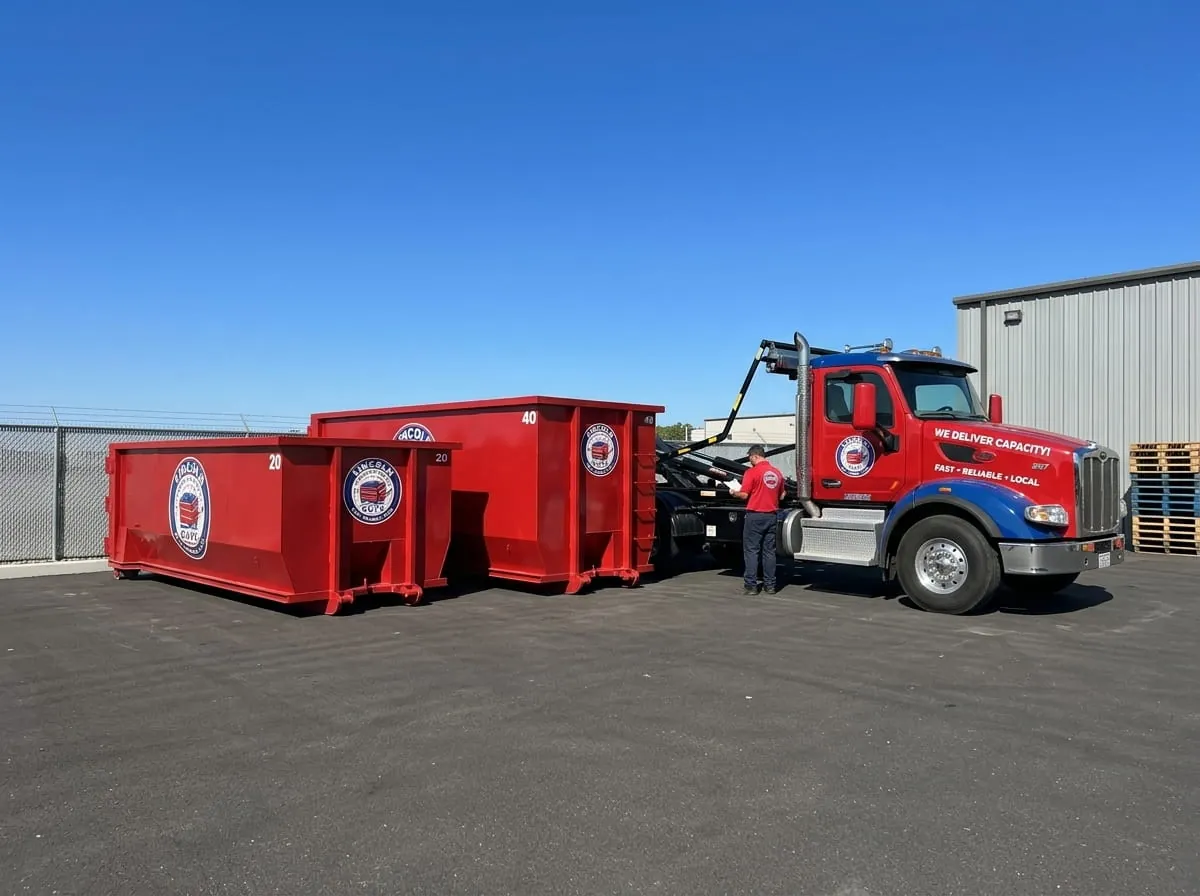
One of the most common questions we hear at Lincoln Dumpster Rental Guys is deceptively simple: "Can I throw this in the dumpster?" The honest answer is that most everyday junk is perfectly fine, but a surprising number of items are prohibited by Nebraska law, landfill policy, or simple safety rules. Tossing the wrong thing in your roll-off can lead to rejected loads, contamination fees, or a container the landfill won't accept at all.
This guide walks Lincoln and Lancaster County residents through exactly what belongs in a rented dumpster, what doesn't, and why. We'll also point you toward the right disposal options for the banned items so nothing ends up sitting in your driveway with no home to go to. When in doubt, a quick call to our team at (531) 229-1565 clears things up in seconds.
What You CAN Put in a Dumpster
The good news first: the majority of debris from a home cleanout, remodel, or yard project is completely acceptable. Our roll-off dumpsters are built to handle bulky, heavy, and awkward materials that would never fit in your weekly curbside cart. Here is what the Bluff Road Landfill and our containers happily accept.
- Household junk and clutter: Old toys, boxes, clothing, books, kitchenware, decor, and general trash from a garage, attic, or basement cleanout.
- Furniture: Sofas, chairs, tables, dressers, bookshelves, desks, and cabinets. Upholstered pieces are fine (unlike mattresses, which we cover below).
- Construction and demolition debris: Drywall, lumber, plywood, trim, subfloor, siding, decking, fencing, cabinetry, and fixtures from a remodel or tear-out.
- Roofing materials: Asphalt shingles, felt, underlayment, and flashing. Roofing is heavy, so size your dumpster accordingly.
- Flooring: Carpet, padding, laminate, hardwood, tile, and vinyl plank.
- Yard and storm debris: Branches, brush, leaves, shrubs, sod, and limbs downed by Nebraska's spring and summer storms.
- Non-hazardous remodeling waste: Old countertops, doors, windows (glass intact and contained), tubs, and toilets.
If your project is a full-house purge rather than a single-room remodel, our junk removal service can do the heavy lifting for you. For everyday home projects, a residential dumpster rental gives you a container in the driveway on your own schedule.
What You CANNOT Put in a Dumpster
Certain items are banned from every roll-off in Nebraska, and it isn't arbitrary. The Nebraska Department of Environment and Energy (DEE) regulates what can enter municipal solid waste landfills to protect groundwater, air quality, and landfill workers. Lancaster County's transfer and disposal facilities enforce these rules strictly, and a load contaminated with prohibited material can be rejected at the gate, leaving you responsible for the extra handling.
Here are the items you must keep out of your dumpster.
- Hazardous waste: Solvents, pesticides, herbicides, pool chemicals, motor oil, antifreeze, and cleaning chemicals. These can leach into soil and water.
- Paint (wet) and stains: Liquid paint is banned. It can spill, contaminate other recyclables, and is classified as household hazardous waste.
- Chemicals and flammables: Gasoline, kerosene, lighter fluid, and any ignitable or reactive liquid.
- Tires: Nebraska law bans whole tires from landfills because they trap gases and float to the surface.
- Batteries: Car batteries, lithium-ion, and rechargeable batteries pose fire and heavy-metal contamination risks.
- Appliances containing Freon: Refrigerators, freezers, air conditioners, and dehumidifiers must have refrigerant professionally removed first.
- Electronics (e-waste): TVs, monitors, computers, and printers contain lead and mercury and are banned from the landfill.
- Mattresses and box springs: Accepted only with an added fee because they are difficult to compact and often recycled separately.
- Propane tanks and pressurized cylinders: These can explode when compacted, even when "empty."
- Asbestos and medical waste: Both require specialized, licensed handling.
Why These Items Are Banned
Understanding the "why" makes it easier to remember the rules. Nearly every prohibited item falls into one of three categories.
Environmental protection
Paint, chemicals, oil, and batteries contain compounds that don't break down safely in a landfill. When it rains, water percolates through buried waste and forms leachate. If hazardous materials are present, that leachate can carry heavy metals and toxins toward groundwater. The Nebraska DEE sets landfill design and acceptance standards specifically to prevent this, which is why these items are diverted to specialized facilities instead.
Worker and equipment safety
Propane tanks, aerosol cans, and pressurized cylinders can rupture or ignite when a compactor crushes them. Tires and batteries can spark fires that smolder for days in a landfill. Keeping these out protects the crews who handle your waste and the drivers who transport it.
Recycling and diversion mandates
Electronics, appliances, and tires are banned partly because they're recyclable and valuable. Nebraska and the City of Lincoln encourage diverting these materials to recovery programs rather than burying them. Learn more in our guide to recycling and waste disposal in Lincoln, NE.
How to Properly Dispose of Banned Items in Lincoln
Just because it can't go in the dumpster doesn't mean you're stuck with it. Lancaster County offers several convenient outlets for the items above.
- Household hazardous waste (paint, chemicals, solvents): The City of Lincoln operates a Household Hazardous Waste collection program. Dried-out latex paint (leave the lid off until it hardens, or mix in cat litter) can often go in regular trash, but liquid paint should go to the HHW program.
- Tires: Many Lincoln tire retailers accept old tires for a small recycling fee, and the county holds periodic tire collection events.
- Batteries: Auto parts stores take car batteries, often with a core credit. Retailers and hardware stores collect rechargeable and lithium batteries.
- Electronics: Local e-waste recyclers and periodic collection events handle TVs, computers, and monitors safely.
- Appliances with Freon: A licensed technician can evacuate refrigerant, after which the metal shell is recyclable as scrap.
- Propane tanks: Exchange or return them to propane suppliers and many hardware stores.
- Mattresses: Ask us about adding a mattress to your load for the disposal fee, or route it to a mattress recycler.
If you're tackling a remodel and aren't sure how to split acceptable debris from banned material, our walkthrough on how to dispose of construction debris breaks it down step by step.
Weight-Sensitive Materials: Concrete, Dirt, and Brick
Some materials are technically allowed but come with special rules because of their extreme weight. Concrete, asphalt chunks, brick, stone, dirt, sand, and gravel can quickly exceed a dumpster's weight limit and even make the container too heavy to legally haul on Lincoln roads.
For that reason, these dense materials usually require a dedicated "clean fill" or "heavy debris" dumpster, typically a smaller 10-yard container, and they must be kept separate from mixed trash. Mixing a load of general debris with a few hundred pounds of concrete can blow past the tonnage allowance and trigger overage charges. If your project involves a patio tear-out, driveway removal, or landscaping dig, tell us in advance so we can size the right container and quote an accurate weight allowance.
| Material | Dumpster Status | Notes |
|---|---|---|
| Household junk & furniture | Accepted | No restrictions |
| Construction & roofing debris | Accepted | Watch total weight |
| Yard & storm debris | Accepted | Keep separate for green options |
| Concrete, dirt, brick | Restricted | Dedicated heavy-debris container |
| Mattresses | Restricted | Added disposal fee |
| Appliances w/ Freon, tires, batteries, electronics, paint, chemicals, propane | Prohibited | Use proper diversion outlets |
Yard and Storm Debris Options
Nebraska weather keeps Lincoln homeowners busy with fallen limbs, storm cleanup, and seasonal brush. While branches and brush are welcome in a standard dumpster, keeping green waste separate opens up composting and mulching options that keep it out of the landfill entirely. Our yard waste removal service is built for exactly these loads, especially after a major storm rolls through Lancaster County.
A few things to keep in mind with organic debris: dirt clinging to root balls adds significant weight, treated or painted lumber is not yard waste and should go with construction debris, and large stumps may need to be cut into manageable sections before they'll fit in the container. If a storm has left you with a mix of shingles, siding, and downed limbs, you can combine those in a single roll-off since they're all landfill-acceptable, but tell us the rough volume so we bring a container with room to spare.
Choosing the Right Size So Nothing Gets Left Behind
Picking the correct dumpster size is just as important as knowing what's allowed inside it. A container that's too small means a second haul and extra cost, while an oversized one wastes money if your project is compact. For a single-room remodel or a garage cleanout, a 10 or 15-yard dumpster is usually plenty. Whole-home cleanouts, roofing tear-offs, and larger renovations often call for a 20 or 30-yard container. Because heavy materials like shingles and flooring hit weight limits before they fill the box, we factor both volume and tonnage into every recommendation. Give our team a quick description of your project and we'll steer you to the size that fits.
A Simple Rule of Thumb
When you're standing over the dumpster wondering whether something belongs, ask yourself three questions: Is it toxic, is it pressurized or flammable, and is it a banned recyclable like a tire, battery, appliance, or electronic? If the answer to all three is no, it's almost certainly fine to toss. If you hit a yes on any of them, set it aside and check our accepted list or give us a call.
Getting it right protects the environment, keeps disposal costs down, and ensures your load is accepted the first time. We'd much rather answer a quick question than have you deal with a rejected container.
Ready to Rent? We'll Make It Easy
Whether you're clearing out a garage, reroofing the house, or cleaning up after a storm, Lincoln Dumpster Rental Guys will match you with the right size container and make sure your load stays compliant. See all of our dumpster and hauling services, or reach out through our contact page for a fast quote. Call us today at (531) 229-1565 and we'll get a dumpster in your Lincoln driveway right away.
Founder, Lincoln Dumpster Rental Guys — sharing straight advice from more than 15 years of local hauling experience.
Frequently Asked Questions
Can I put a refrigerator or freezer in my dumpster in Lincoln?
Not until the refrigerant is removed. Refrigerators, freezers, air conditioners, and dehumidifiers contain Freon, which is a controlled substance that must be professionally evacuated by a licensed technician before disposal. Once the refrigerant is out and you have documentation, the metal shell can be recycled as scrap. This rule protects the atmosphere and is enforced across Lancaster County. Call us at (531) 229-1565 if you need guidance on handling appliances.
Why can't I throw old paint in the dumpster?
Wet or liquid paint is classified as household hazardous waste in Nebraska because it can spill, contaminate other materials, and leach chemicals toward groundwater. Take liquid paint to the City of Lincoln's Household Hazardous Waste program. If it's latex paint, you can also dry it out completely (remove the lid or mix in cat litter or a paint hardener) and then dispose of the fully hardened can with regular trash.
Can I put concrete, dirt, or brick in a regular dumpster?
These heavy materials are restricted, not because they're harmful, but because their weight can exceed the container's limit and make it unsafe to haul on Lincoln roads. Concrete, dirt, brick, and asphalt usually require a dedicated heavy-debris or clean-fill dumpster, kept separate from mixed trash. Let us know about heavy materials when you book so we can size the right container and quote an accurate weight allowance.
Are mattresses allowed in a dumpster rental?
Mattresses and box springs are accepted, but they carry an added disposal fee. They're difficult to compact and are often diverted to mattress recyclers instead of the landfill, so facilities charge extra to handle them. If you have a mattress to get rid of, mention it when you reserve your dumpster and we'll fold the fee into your quote so there are no surprises.
What do I do with items my dumpster won't take?
Lancaster County has convenient outlets for banned items. Tires go to tire retailers or county collection events, car batteries return to auto parts stores for a core credit, electronics go to local e-waste recyclers, and propane tanks return to suppliers or hardware stores. Hazardous chemicals and liquid paint go to Lincoln's Household Hazardous Waste program. Our recycling and construction debris blog posts cover the details, and we're always happy to point you in the right direction.