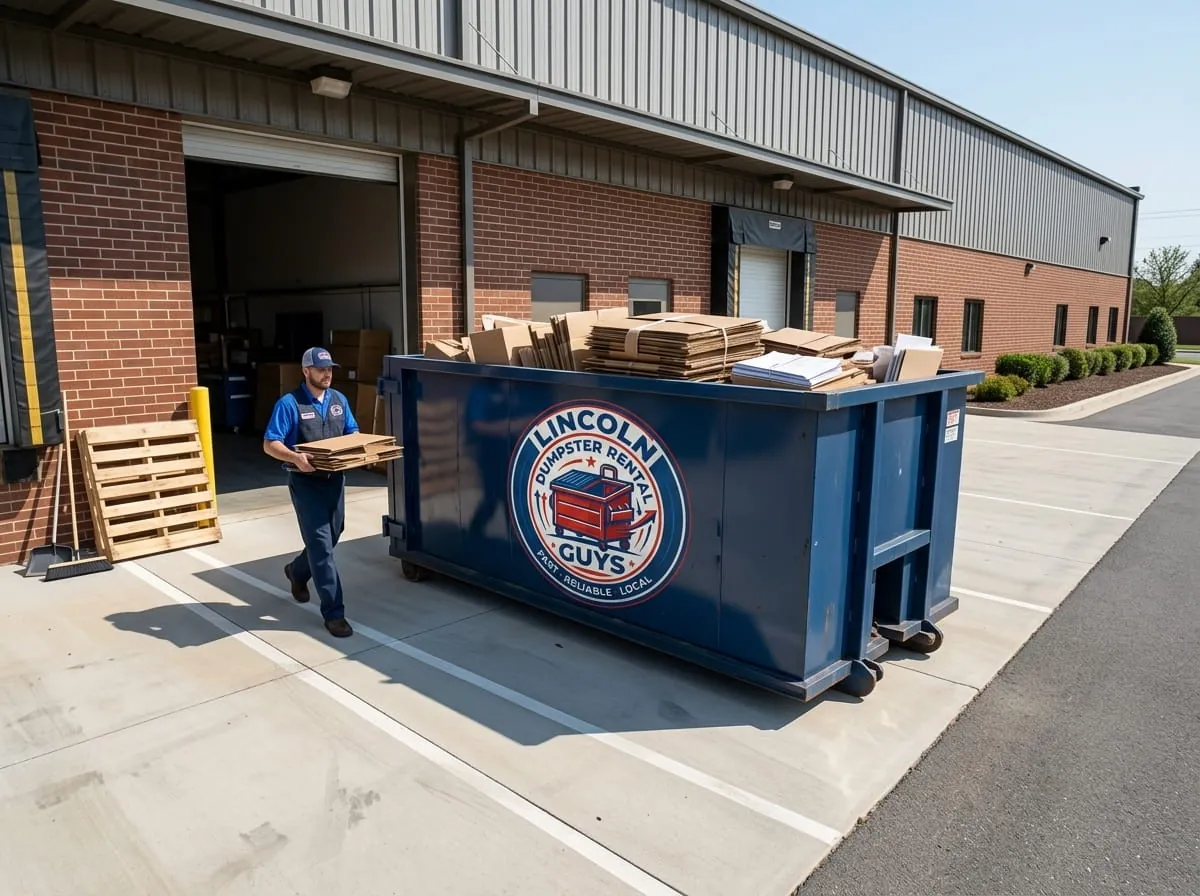
A whole-house cleanout can feel overwhelming before you start, but it becomes almost calming once you have a plan. The secret is simple: work one room at a time, make quick keep/donate/toss decisions, and never let sorted piles sit long enough to creep back into the house. This room-by-room checklist is built for Lincoln homes, where deep basements, cold garages, and packed attics hold decades of accumulated stuff. Whether you are clearing a family home in the Near South, downsizing off O Street, or prepping a Lancaster County property for sale, this working plan will carry you from the first box to the last load.
Before You Start: A Few Ground Rules
Give yourself a realistic runway. A full-house cleanout in Lincoln usually takes a weekend to a week, depending on how much has piled up in the basement and garage. Gather supplies first so you never stall: heavy-duty contractor bags, a box of markers, painter's tape for labeling, sturdy gloves, and a dust mask for the attic and basement. Then set up four zones in your driveway or largest room.
- Keep - goes back into the house, organized, in its proper place.
- Donate - clean, working, and genuinely useful to someone else.
- Sell - higher-value items worth listing on Facebook Marketplace or a local yard sale.
- Toss - broken, stained, expired, or simply not worth moving again.
The single most useful habit: touch each item once and decide. If you have not used it in a year and it holds no real sentimental weight, it belongs in donate or toss. When the toss pile grows faster than your trash cans can handle, that is your signal to line up a dumpster so debris leaves the property instead of migrating to the garage.
Sequencing: The Order That Actually Works
Do not start in the most emotional or most cluttered room. Start easy to build momentum. A smart Lincoln sequence looks like this:
- Day 1 - Kitchen and bathrooms. Fast wins, clear categories, immediate satisfaction.
- Day 2 - Living areas and bedrooms. More decisions, but you are warmed up.
- Day 3-4 - Garage, attic, and basement. The heavy lifting, best tackled when the dumpster is already on site.
- Final pass - Patio, yard, and shed. Weather-dependent and easy to load last.
Working top-down and easy-to-hard means the biggest, dirtiest jobs happen when you have the most confidence and, ideally, when your roll-off container is already in the driveway ready to swallow the volume.
Kitchen
Kitchens hide surprising volume in cabinets and the back of the pantry. Pull everything out onto the counters so you can see it. Keep the pots, pans, and small appliances you actually use. Donate duplicate utensils, the bread machine you tried once, and matching dishware in good shape. Toss scratched nonstick pans, cracked plastic storage, and anything sticky or warped.
Clear the pantry and fridge of expired food - Nebraska humidity swings are hard on dry goods, so check dates carefully. Small dead appliances (toasters, blenders, coffee makers) that no longer work go to the dumpster or an electronics recycling drop. If you are pulling out a broken dishwasher or old range, set it aside for the appliance handling steps below.
Living Room and Family Room
Living spaces collect media, decor, and furniture nobody loves anymore. Keep the seating and pieces that fit your life now. Donate sturdy couches, coffee tables, and bookshelves in usable condition. Toss sagging furniture with broken frames, water-stained cushions, and pressboard shelving that has swelled and cannot be moved without falling apart.
Old electronics deserve a second look. Tube TVs, tangled cables, and dead DVD players are common finds. Working electronics can be donated; broken ones should be recycled or landed in the dumpster per local rules. Books tend to pile up too - Lincoln has active donation channels for gently used books, so box the good ones and recycle the rest.
Bedrooms and Closets
Closets are where indecision lives. Use the hanger trick: turn every hanger backward, and over the coming weeks, only the clothes you actually wear get turned forward. For a cleanout deadline, be more direct - if it does not fit, is stained, or you have not worn it in a year, it goes to donate. Keep current-season clothing you wear and love. Donate clean, wearable clothes, shoes, and linens. Toss torn, stained, or heavily worn textiles that no charity can resell.
Do not overlook under-bed storage and the tops of closets, where old bedding, broken luggage, and forgotten boxes hide. Mattresses are bulky and often need special handling; a roll-off dumpster is usually the simplest exit for a worn-out mattress and box spring.
Bathrooms
Bathrooms are quick but satisfying. Toss expired medications (take these to a pharmacy take-back rather than the trash), old cosmetics, dried-out products, and threadbare towels. Donate unopened, unexpired toiletries and clean linens. Clear the cabinet under the sink of half-empty cleaning products and rusted odds and ends. This room rarely produces heavy debris, but it clears clutter fast and keeps your momentum high heading into the harder spaces.
The Garage: Cold-Weather Project Graveyard
In Lincoln, the garage does double duty as a workshop, storage annex, and winter overflow. Cold-garage projects - the half-finished furniture refinish, the boxed-up parts for a repair you never got to - tend to accumulate for years. Pull items into the driveway on a clear, dry day so you can spread out.
Keep the tools and lawn equipment you use each season. Donate working tools, extra hardware, and sporting goods. Toss rusted-through equipment, dried paint cans, broken power tools, and the mystery boxes of parts that fit nothing you own anymore. Handle chemicals carefully: old paint, motor oil, pesticides, and solvents are household hazardous waste and must not go in a dumpster. Lincoln residents can use the city's hazardous waste program for those. Everything else - the broken shelving, the busted lawn chairs, the warped plywood - loads easily into a roll-off.
The Attic: Dust, Insulation, and Decades of Boxes
Attics are hot, tight, and dusty, so wear a mask and work in short sessions. This is where holiday decorations, old paperwork, baby gear, and boxes labeled in handwriting no one recognizes tend to live. Bring boxes down to a staging area with good light rather than deciding in the cramped space. Keep genuine keepsakes and documents you still need. Donate usable decor, furniture, and outgrown items. Toss water-damaged boxes, mildewed fabric, and crumbling cardboard. Shred sensitive paperwork before recycling. Because attic finds are lightweight but voluminous, they fill a dumpster quickly - plan for the space.
The Basement: Nebraska's Deep-Storage Challenge
Here is where Lincoln cleanouts get real. Deep basements are standard across Nebraska, and they become decades-long storage vaults - furniture from three houses ago, seasonal gear, outgrown hobbies, and boxes that have not been opened since the Clinton administration. A full basement can easily equal the volume of the rest of the house combined, so budget serious time here.
Work in sections, from the stairs outward, so you always have a clear path. Watch for moisture damage: Nebraska basements can take on water, and anything that sat against a damp wall - cardboard, upholstered furniture, mattresses, particleboard - is often mildewed and headed straight for the toss pile. Keep only what you will actually use and store properly. Donate dry, clean, working items. Toss the rest without guilt. Because basement volume is so high and much of it is bulky and damaged, this is the single biggest reason Lincoln homeowners rent a roll-off rather than making dozens of dump runs. A dedicated junk removal service can also help haul heavy items up narrow basement stairs if the load is more than you want to carry.
Patio, Yard, and Shed
Finish outside where loading is easiest. Keep the patio furniture and grill you use. Donate extra planters, working outdoor gear, and usable furniture. Toss cracked plastic chairs, rusted grills, broken fencing, dead landscaping timbers, and the sagging shed contents. Yard waste and brush may have separate disposal rules, so keep organic debris separate from construction and household junk in the container.
What Size Dumpster for a Full-House Cleanout?
Sizing is the question everyone asks. Roll-off dumpsters are measured in cubic yards, and the right choice depends on your home and how much basement and garage volume you are clearing.
| Dumpster Size | Best For | Typical Load |
|---|---|---|
| 10-yard | Single room or small decluttering | About 3 pickup truck loads |
| 15-yard | A couple of rooms plus a modest garage | About 4-5 truck loads |
| 20-yard | Most full-house cleanouts with a basement | About 6-8 truck loads |
| 30-yard | Large homes, heavy basement volume, estate cleanouts | About 9-12 truck loads |
For a typical Lincoln home with a full basement, the 20-yard dumpster is the workhorse - big enough for furniture, mattresses, and the mountain of basement boxes without overpaying for space you will not fill. If you are clearing a larger property, decades of heavy basement storage, or combining a cleanout with a remodel, step up to a 30-yard. Still unsure? Our guide on what size dumpster you need walks through the math, and you can always call and describe your home for a straight answer.
Sorting Donations vs. Landfill: Lincoln Options
Keeping good items out of the landfill is easier when you know where they go. Lincoln has strong donation channels for a room-by-room cleanout:
- Goodwill - clothing, housewares, small electronics, books, and general household goods. Multiple Lincoln locations make drop-off quick.
- Habitat for Humanity ReStore - furniture, cabinets, doors, appliances, building materials, and home decor. Ideal for the bigger pieces from your living room, kitchen, and garage.
- People's City Mission - clothing, furniture, bedding, and household essentials that directly help Lincoln neighbors in need; they even offer pickup for larger donations.
The rule of thumb: if it is clean, safe, and working, donate it. If it is broken, stained, mildewed, or missing parts, do not make it someone else's problem - it belongs in the dumpster. Sorting as you go, rather than at the end, saves an entire round of re-handling.
Heavy Furniture and Appliances
The big stuff needs a plan. Protect your back and your walls by moving furniture with a partner, using furniture sliders on hard floors, and taking apart bed frames and shelving before hauling. For appliances, remember a few things: refrigerators, freezers, and window AC units contain refrigerant that must be handled properly, so confirm your hauler or the city's rules before disposal. Working appliances can go to the ReStore; dead ones go to the dumpster or a scrap metal recycler.
Getting a washer, dryer, or old couch up from a deep Nebraska basement is genuinely hard - narrow stairs and tight turns are the real obstacle. This is exactly where a roll-off in the driveway pays off: you carry each piece out once and drop it straight in, no dump runs, no borrowed trucks. If the load is more than your crew can manage, professional muscle makes short work of it.
Timing Your Cleanout Around Nebraska Weather
Snowy-season timing matters here. Loading a dumpster in a Lincoln January means icy driveways, frozen items stuck to basement floors, and short daylight. If your cleanout is flexible, aim for spring through fall when hauling is easier and donation drop-offs are simpler. If winter is your only window, clear a snow-free path to the container, load heavier items first while your energy is high, and keep sessions short in the cold garage and attic. Whatever the season, having the dumpster on site turns a scattered, multi-weekend chore into a focused push.
Special Situations: Estate and Downsizing Cleanouts
Some cleanouts carry extra weight - clearing a parent's home, settling an estate, or downsizing after many years in one house. These take more time and more care, both practically and emotionally. Give yourself grace, enlist family to help with sentimental decisions, and consider bringing in help for the heavy volume. Our estate cleanout checklist covers the added steps, from sorting documents to dividing keepsakes, and a full-service estate cleanout can take the physical burden off your shoulders entirely.
Your Room-by-Room Cleanout, Handled
You do not have to do this in one exhausting marathon, and you do not have to do it alone. Break it into rooms, sort as you go, keep the good stuff moving to Goodwill, the ReStore, and People's City Mission, and let a right-sized roll-off carry away everything else. From cold-garage projects to that decades-deep basement, Lincoln Dumpster Rental Guys makes the messy part simple - a clean container in your driveway, ready when you are.
Ready to clear it out? Explore our full range of services, or call us at (531) 229-1565 to talk through your home and get the right dumpster on your driveway. When you are ready to book, reach out here and we will handle the rest.
Founder, Lincoln Dumpster Rental Guys — sharing straight advice from more than 15 years of local hauling experience.
Frequently Asked Questions
What size dumpster do I need for a full-house cleanout in Lincoln?
For most Lincoln homes with a full basement, a 20-yard dumpster is the sweet spot - it holds furniture, mattresses, and the typical mountain of basement boxes without paying for space you won't fill. For larger homes, decades of heavy basement storage, or a combined cleanout and remodel, step up to a 30-yard. If you're only clearing a room or two, a 10 or 15-yard is plenty.
In what order should I work through the house?
Start easy to build momentum. Do the kitchen and bathrooms first for fast wins, then move to living areas and bedrooms, and save the garage, attic, and basement for last when your confidence is high and the dumpster is already on site. Finish outside with the patio, yard, and shed, which are the easiest to load.
Where can I donate usable items in Lincoln?
Lincoln has strong donation options: Goodwill takes clothing, housewares, books, and small electronics; Habitat for Humanity ReStore accepts furniture, appliances, cabinets, and building materials; and People's City Mission takes clothing, furniture, and household essentials, often with pickup for larger donations. If an item is clean, safe, and working, donate it - if it's broken or mildewed, it belongs in the dumpster.
What can't go in the dumpster?
Household hazardous waste is off-limits: old paint, motor oil, solvents, pesticides, and similar chemicals must go through Lincoln's hazardous waste program. Refrigerators, freezers, and AC units contain refrigerant that needs proper handling, and expired medications should go to a pharmacy take-back. Everything else - broken furniture, mattresses, damaged boxes, and general junk - loads right into the roll-off.
Why do Nebraska basement cleanouts take so much longer?
Deep basements are standard across Nebraska and often store decades of furniture, seasonal gear, and unopened boxes - sometimes equaling the volume of the rest of the house combined. Moisture can also mildew cardboard and upholstery, so a lot of it heads straight to the toss pile. Working in sections from the stairs outward and having a roll-off in the driveway is far easier than dozens of dump runs, especially for heavy items on narrow basement stairs.