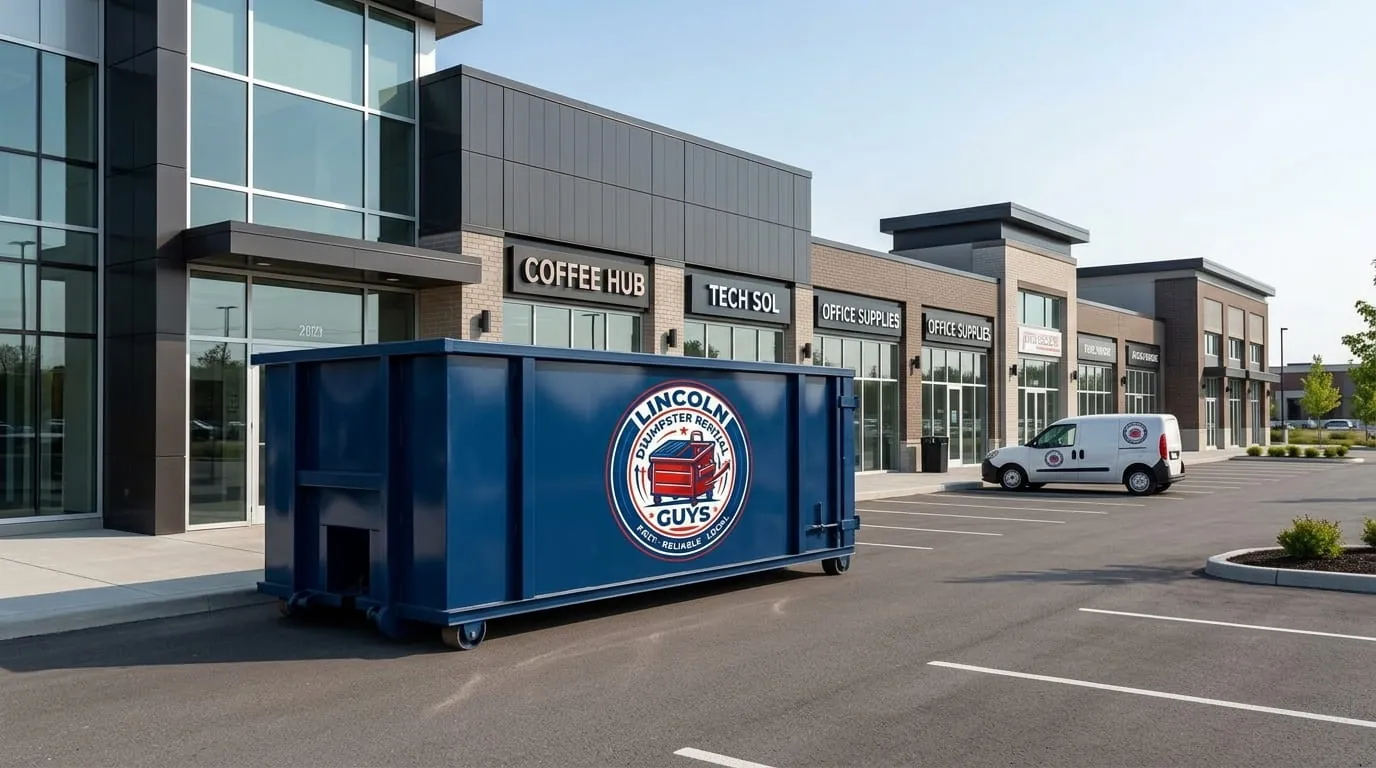
If you live in Lincoln or anywhere across Lancaster County, figuring out where your trash, recyclables, and bulky debris are supposed to go can feel more complicated than it should. Between weekly curbside pickup, the City of Lincoln recycling drop-off network, the North 48th Street Transfer Station, and the Bluff Road Landfill, there are a lot of moving parts. This guide walks through how waste and recycling actually work here on the edge of Salt Creek, what belongs in your curbside bin versus what needs a dumpster or a trip to the transfer station, and how a roll-off container fits into bigger cleanouts. As always, treat the specifics below as a starting point and verify current rules, hours, and accepted materials with the City of Lincoln, Lancaster County, and the Nebraska Department of Environment and Energy (DEE), because programs change.
How Waste and Recycling Work in Lincoln and Lancaster County
Unlike some cities that run a single municipal garbage service, Lincoln relies largely on private, licensed haulers for residential trash and recycling collection. That means your neighbor across the street might use a different company than you do, and pickup days, cart sizes, and what's accepted in the recycling cart can vary from hauler to hauler. The City of Lincoln licenses these haulers and sets baseline standards, but the details of your service come down to your individual provider. If you are unsure who serves your address or what your cart accepts, your hauler's customer service line is the fastest answer.
Lancaster County residents outside the Lincoln city limits often have fewer curbside options and lean more heavily on drop-off recycling sites and self-hauling to the landfill or transfer station. Wherever you are in the county, the guiding principle is the same: keep recyclables clean and sorted, keep prohibited items out of the regular waste stream, and divert as much construction, yard, and bulky material as you reasonably can so it does not end up buried unnecessarily at Bluff Road.
Curbside Recycling: What Belongs and What Does Not
Most curbside recycling programs in Lincoln accept the everyday basics, but contamination is the number one reason loads get rejected or downgraded. When in doubt, leave it out. Here is a general breakdown, though your specific hauler's list is the one that governs your cart.
Generally Accepted in Curbside Recycling
- Corrugated cardboard and paperboard (flattened boxes, cereal boxes)
- Office paper, mail, newspaper, magazines, and paper bags
- Aluminum and steel cans, rinsed clean
- Plastic bottles and jugs (typically #1 and #2), empty and rinsed
- Glass bottles and jars where your program accepts glass (some curbside programs do not, and instead route glass to specific drop-off sites)
Common Contaminants to Keep Out
- Plastic bags, film, and bubble wrap, which tangle sorting equipment
- Food-soiled containers, greasy pizza boxes, and used paper plates
- Styrofoam and foam packaging
- Scrap metal, hoses, cords, and "tanglers"
- Electronics, batteries, and anything with a lithium cell, which can spark fires in trucks and facilities
A quick rinse and a flattened box go a long way. Recyclables should be empty, clean, and dry. When something clearly does not belong, the responsible move is the regular trash, a specialty drop-off, or a dumpster, depending on the volume.
City of Lincoln Recycling Drop-Off Sites
The City of Lincoln operates a network of public recycling drop-off locations placed at grocery stores, parks, and other convenient spots around town. These sites are especially useful for residents whose curbside service is limited, for materials your hauler does not take, and for glass in areas where curbside glass is not offered. Typical drop-off materials include cardboard, mixed paper, cans, certain plastics, and glass. Because the exact locations and accepted materials are periodically updated, check the City of Lincoln's recycling web pages for the current map before you load up the car. Using these sites correctly, by sorting into the right containers and breaking down boxes, keeps them working for everyone.
The North 48th Street Transfer Station and Bluff Road Landfill
For material that cannot be recycled or that exceeds what curbside can handle, Lincoln residents have two main public-facing disposal points. The North 48th Street Transfer Station is a convenient in-town option for self-haulers dropping off household trash and many bulky items; from there, waste is consolidated and moved to the landfill. The Bluff Road Landfill is the city's active solid waste landfill and the final destination for material that cannot be diverted.
Both facilities charge tipping fees, usually based on weight or load size, and both have specific rules about what they will and will not accept. Certain items, including some appliances, tires, and hazardous materials, are handled separately or refused outright. Hours and fees change, so confirm current details with the City of Lincoln before making a trip, and secure your load on the way there, since uncovered loads can be ticketed and are a hazard to other drivers.
| Destination | Best for | Notes |
|---|---|---|
| Curbside cart | Weekly household trash and recycling | Set by your licensed hauler |
| City drop-off sites | Cardboard, paper, cans, glass | Free, self-sort, check locations |
| North 48th St. Transfer Station | Self-hauled trash and bulky items | Tipping fees apply |
| Bluff Road Landfill | Non-divertible waste, large loads | Weigh-in, fees, load rules |
| Roll-off dumpster | Whole-project cleanouts and remodels | Delivered and hauled for you |
Construction and Demolition Debris Diversion
Construction and demolition, or C&D, debris makes up a large share of what ends up in landfills, and a lot of it does not have to. Clean wood, metal, concrete, brick, and asphalt shingles can often be diverted to recyclers or aggregate processors rather than buried. Scrap metal in particular has real value, and dedicated metal recyclers around Lincoln will often take clean loads. If you are gutting a kitchen, tearing off a roof, or clearing a demolition site, separating recoverable materials before they hit the dumpster reduces both your environmental footprint and, sometimes, your disposal costs.
For most homeowners and contractors, though, the practical reality of a renovation is a high volume of mixed debris on a tight timeline. That is where a roll-off dumpster earns its keep: you load everything into one container and it gets hauled to the appropriate facility, where usable material can be sorted out. If you want to plan a debris strategy for a build or remodel, our guide on how to dispose of construction debris breaks down sizing, weight limits, and what to keep out of the box. And before you fill any container, it is worth reviewing what can and cannot go in a dumpster, because a few prohibited items can hold up an entire load.
Household Hazardous Waste, E-Waste, and Special Materials
Some things should never go in your trash cart, your recycling, or a dumpster. Household hazardous waste, or HHW, includes paints, solvents, pesticides, pool chemicals, automotive fluids, and similar products. Lincoln and Lancaster County periodically host HHW collection events and may operate drop-off options for residents; because dates, locations, and accepted materials change from year to year, do not rely on old information. Check the current City of Lincoln and Lancaster County listings, and consult the Nebraska DEE, for where and when to bring these materials. Proper HHW disposal protects Salt Creek, local groundwater, and the workers who handle our waste.
Electronics and Batteries
Electronic waste, from old TVs and monitors to computers and phones, contains both valuable and hazardous components and should be routed to an e-waste recycler rather than the landfill. Many electronics retailers and specialty recyclers in the Lincoln area accept e-waste, sometimes for a small fee. Rechargeable and lithium batteries deserve special care: never toss them loose in the trash or recycling, where they can ignite. Look for dedicated battery drop-off points instead.
Other Items That Need Special Handling
- Appliances with refrigerants (refrigerators, freezers, AC units) require freon recovery
- Tires are typically banned from landfills and go to tire recyclers
- Fluorescent bulbs and CFLs contain mercury and need special drop-off
- Medical sharps and unused medications have their own take-back programs
Yard Waste and Storm Debris
Nebraska weather does not do anything halfway, and Lincoln sees its share of severe thunderstorms, high winds, and the occasional tornado warning that leaves yards full of downed limbs. Grass clippings, leaves, brush, and branches are generally kept out of the landfill and instead composted or processed into mulch, and the City of Lincoln operates seasonal yard waste and composting options. Keeping organics out of the trash stream is one of the easiest wins in responsible disposal, since yard waste breaks down into a genuinely useful product.
After a big storm, the volume can be overwhelming, and that is exactly when a container makes life easier. Our yard waste removal service and, for the truly large piles, a roll-off dumpster can clear a storm-battered property far faster than filling bags one at a time. For everyday brush and seasonal cleanup, though, the city's yard waste program is usually the greener and cheaper route.
How a Dumpster Fits Into Big Cleanouts
Curbside carts, drop-off sites, and the transfer station cover the routine flow of waste, but they are not built for the sudden, concentrated volume of a whole-house cleanout, an estate clearing, a garage or basement dig-out, or a remodel. Trying to squeeze a decade of accumulation into weekly cart pickups can take months. A roll-off dumpster collapses that timeline: the container arrives, you fill it at your own pace, and we haul it to the right facility, sorting out recoverable material along the way.
Choosing the right size matters. A 10-yard box suits a single room or a heavy-material project like concrete or dirt, a 20-yard handles most home cleanouts and mid-size remodels, and 30-yard containers take on major renovations and construction. For jobs where you would rather not touch the debris at all, our junk removal crew can do the loading, and homeowners tackling a project themselves can start with straightforward residential dumpster rental. Whatever the scale, keeping prohibited items out and diverting recyclables first keeps the whole system working and keeps your costs predictable.
Responsible disposal in Lincoln really comes down to matching each material to the right destination: recyclables to the cart or drop-off, hazardous and special items to their dedicated programs, organics to composting, and everything else, in volume, to a properly permitted dumpster or the landfill. Do that, and you protect Salt Creek, the county's groundwater, and the community's shared resources. Have a cleanout, remodel, or storm mess on your hands? Call Lincoln Dumpster Rental Guys at (531) 229-1565 or reach out through our contact page and we will help you pick the right container and keep your project moving.
Founder, Lincoln Dumpster Rental Guys — sharing straight advice from more than 15 years of local hauling experience.
Frequently Asked Questions
What can I put in my curbside recycling cart in Lincoln?
Most Lincoln haulers accept flattened cardboard and paperboard, paper, aluminum and steel cans, and plastic bottles and jugs, all empty and rinsed. Glass depends on your program and may go to drop-off sites instead. Keep out plastic bags, foam, food-soiled items, electronics, and batteries. Because Lincoln uses private licensed haulers, check your specific hauler's accepted list, since it governs your cart.
Where can I drop off recycling if I don't have curbside service?
The City of Lincoln operates public recycling drop-off sites at grocery stores, parks, and other convenient locations for cardboard, paper, cans, certain plastics, and glass. These are especially handy for county residents and for materials your hauler does not take. Locations and accepted materials are updated periodically, so check the City of Lincoln recycling pages for the current map before you go.
How do I dispose of household hazardous waste and electronics in Lincoln?
Never put paints, solvents, pesticides, automotive fluids, batteries, or electronics in your trash, recycling, or a dumpster. Lincoln and Lancaster County periodically host household hazardous waste collection events and drop-off options, and area retailers and recyclers accept e-waste. Dates and locations change, so verify current details with the City of Lincoln, Lancaster County, and the Nebraska DEE before hauling these materials.
Can construction debris be recycled instead of landfilled?
Often yes. Clean wood, metal, concrete, brick, and shingles can frequently be diverted to recyclers or aggregate processors rather than buried at Bluff Road Landfill. Scrap metal in particular has real value. For mixed remodel debris on a tight timeline, a roll-off dumpster is the practical option, and usable material can be sorted out at the receiving facility. Separate recoverable materials first to cut both waste and cost.
When should I rent a dumpster instead of using curbside or the transfer station?
Curbside carts and the North 48th Street Transfer Station handle routine trash, but they are not built for concentrated volume. For whole-house or estate cleanouts, garage and basement dig-outs, remodels, or major storm debris, a roll-off dumpster collapses a months-long job into days. The container arrives, you fill it at your pace, and we haul it to the right facility. Call (531) 229-1565 to pick a size.