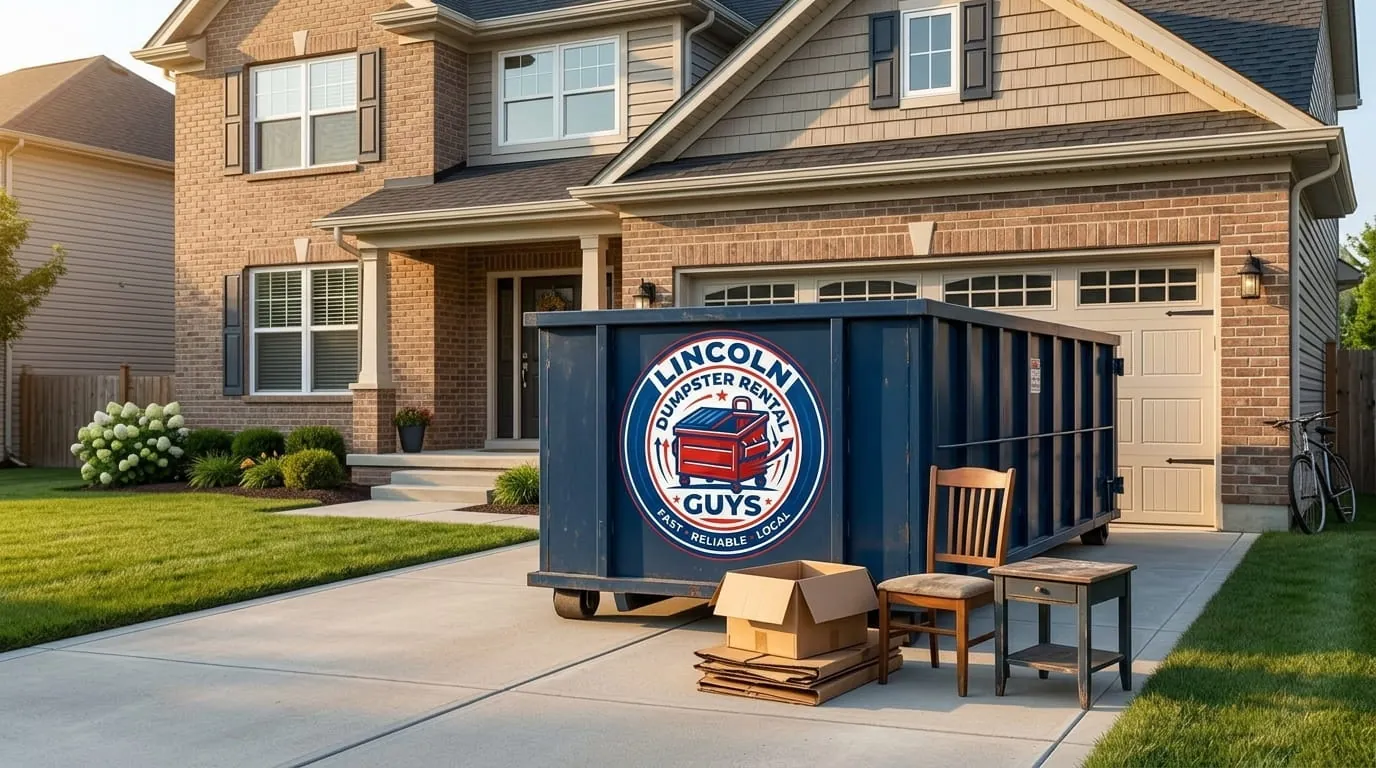
Few tasks feel heavier than clearing out the home of someone you loved. In Lincoln and across Lancaster County, so many of these houses have been in one family for thirty, forty, even fifty years. The belongings inside are not just objects. They are birthday cards, church cookbooks, Cornhusker memorabilia, tools that built a garage, and quilts stitched by hands you will not hold again. An estate cleanout is real physical labor, but it is also grief work, and it deserves to be paced with patience and care.
This checklist is written to help you move through the process one deliberate step at a time. You do not have to do it all in a weekend, and you should not try to. Take what is useful here, adapt it to your family, and give yourself permission to stop and breathe when you need to.
Start by Securing What Matters Most
Before a single box is packed or a single bag reaches the curb, protect the things that cannot be replaced or that carry legal weight. Homes that have been lived in for decades tend to hide important items in unexpected places, and once a cleanout gains momentum, small things disappear fast.
Walk the house with a box or a lockable bin and gather:
- Legal and financial documents: the will, trust paperwork, deeds, vehicle titles, insurance policies, bank and investment statements, tax returns, Social Security cards, and military discharge papers.
- Valuables: cash, jewelry, watches, coins, firearms, precious metals, and anything that looks like it might be worth appraising.
- Sentimental irreplaceables: photographs, letters, family Bibles, recipe boxes, home videos, and heirlooms specific family members have asked about.
- Keys and access: spare house keys, safe-deposit box keys, and passwords or account logins if you can find them.
Check the classic hiding spots that older Lincoln homes are full of: inside coat pockets, taped under drawers, tucked in freezer bags, folded into book pages, and buried at the bottom of dresser drawers. Full basements and attics are notorious for holding a lifetime of stashed paperwork. Once these items are secured in one safe location, you can clear the rest of the house without the fear of accidentally throwing away something priceless.
Understand the Executor's Role and Nebraska Probate
An estate cleanout is not only an emotional decision, it is a legal one. In most cases the personal representative, often called the executor, has the authority and the responsibility to manage the deceased person's property. If you are not that person, coordinate with them before removing or disposing of anything. If you are that person, understand that the timeline and the estate's assets are partly in your hands.
In Nebraska, formal probate typically runs through the county court, and the process can take several months to a year or more depending on the estate's complexity. That timeline matters for a cleanout because the home often cannot be sold or fully cleared until the estate is settled, and because certain assets may need to be inventoried or appraised first. A few practical points:
- Do not dispose of anything of value until the executor confirms it is not part of the estate inventory.
- Keep records and photos of items you donate, sell, or discard, especially anything with meaningful value.
- If siblings or heirs are involved, agree in writing on who receives what before the sorting begins. This one step prevents most family conflict.
- When in doubt about a legal question, ask the estate's attorney. A short phone call is cheaper than an argument.
The Sorting System: Keep, Distribute, Donate, Sell, Dispose
Once valuables are secured and the executor has given the go-ahead, the bulk of the work is sorting. The simplest method is to assign every item to one of five categories. Label five zones with painter's tape or use colored stickers, and work one room at a time rather than jumping around the house.
Keep
Items you or your immediate family will take home. Be honest here. Grief can make us want to keep everything, and a month later a garage full of a parent's belongings can become its own burden. Keep what you have room for and what you will genuinely use or treasure.
Distribute
Items promised to specific heirs, relatives, or friends. Set these aside with names attached so nothing gets swept into another pile. If several people want the same thing, a fair rotation or a simple draw keeps the peace.
Donate
Usable clothing, furniture, housewares, and books that can help someone else. Lincoln has strong donation networks, covered in more detail below.
Sell
Furniture, antiques, collectibles, tools, and vehicles with real resale value. An estate sale, consignment, or online listing can turn belongings into funds that help settle the estate or ease expenses for the family.
Dispose
Broken, soiled, expired, or worn-out items that no charity would accept and no one would buy. This is where a dumpster earns its keep. Decades of accumulation, water-damaged basement storage, and old building materials from a detached garage add up quickly.
For a room-by-room approach that keeps the sorting from feeling overwhelming, our home cleanout checklist, room by room breaks the whole house into manageable pieces you can tackle on your own schedule.
Pace Yourself Emotionally
There is no prize for finishing fast. Some rooms will be easy, mostly practical items you can sort in an afternoon. Others, a bedroom, a hobby workshop, a sewing room, will stop you in your tracks. That is normal. Grief lives in objects, and handling them stirs memories you did not expect.
A few things that help:
- Work in short sessions and take real breaks. Two focused hours often beats a grinding all-day marathon.
- Bring a family member or friend along. Company lightens both the labor and the mood.
- Photograph items before you let them go. A picture preserves the memory without keeping the object.
- Give yourself permission to set an emotionally difficult box aside and return to it later.
- Have water, snacks, and comfortable clothes on hand. Neglecting your body makes the emotional load heavier.
If the timeline allows, spreading the cleanout across several weekends is often kinder than forcing it into a single grueling push.
Lincoln Homes Mean Basements, Attics, and Garages
Longtime family homes in Lincoln and Lancaster County tend to come with a lot of storage, and storage tends to fill up. Full basements hold holiday decorations, old furniture, canning supplies, and boxes that have not been opened in twenty years. Attics collect luggage, insulation-dusted keepsakes, and forgotten furniture hauled up narrow stairs. Detached garages, common on Lincoln's older lots, become homes for tools, lawn equipment, spare lumber, tires, and paint cans.
These spaces are where an estate cleanout gets physically demanding. A few tips for handling them:
- Save basements and attics for when you have help. Carrying heavy or awkward items up stairs alone is where injuries happen.
- Set hazardous materials aside separately. Old paint, motor oil, pesticides, propane tanks, and chemicals cannot go in a standard dumpster and need proper disposal through Lincoln's household hazardous waste program.
- Expect the volume to surprise you. A garage that looks half full can produce far more debris than you predict once you start pulling things out.
What Size Dumpster for an Estate Cleanout?
The most common question families ask is how big a dumpster they need. For a full-home estate cleanout, the honest answer is usually bigger than you first think, because a lifetime of belongings occupies more space than any single room suggests.
- 10-yard: works for a smaller apartment, a single room, or a focused cleanout of one space like a garage.
- 20-yard: the workhorse for most estate cleanouts. A 20-yard dumpster handles the furniture, general household goods, and accumulated clutter of an average Lincoln home with a basement, and it sits low enough to load without a struggle.
- 30-yard: the right call for larger homes, properties with a packed basement and attic and detached garage, or when decades of storage mean a truly full house.
If you are unsure, it is almost always cheaper and less stressful to order one size up than to fill a small dumpster and need a second haul. When you are ready to talk it through, call Lincoln Dumpster Rental Guys at (531) 229-1565 and we will help you match the container to the home. You can also compare options on our services page.
Donation and Consignment Options in Lincoln
Before anything usable heads to the dumpster, remember that Lincoln has a generous network of organizations that welcome gently used goods. Donating extends the life of belongings your loved one cared for and can bring real comfort during a hard season.
- Furniture and housewares: local thrift and reuse stores accept sofas, tables, dishes, and small appliances in usable condition.
- Clothing and linens: shelters and clothing banks around Lincoln put these to immediate use.
- Building materials and fixtures: reuse centers take doors, cabinets, and hardware pulled from a garage or basement remodel.
- Books, records, and collectibles: local booksellers and consignment shops may buy or take these on commission.
- Antiques and higher-value furniture: consignment stores and estate sale companies can sell pieces on your behalf, returning a share of the proceeds to the estate.
Many donation centers will pick up large items, and some estate sale professionals will handle an entire home. Keep receipts for donated goods; they may support a tax deduction for the estate.
When to Hire Help
You do not have to carry every box yourself. There is no shame in bringing in support, and for many families it is the difference between a manageable process and a crushing one. Consider hiring help when:
- The home is large or heavily packed and the timeline is tight.
- Heavy items, stairs, or a full basement make the work physically risky.
- You live out of town and have limited days to get the house cleared.
- The emotional weight makes it hard to make progress alone.
For the disposal side, a junk removal service can do the lifting and hauling so you never touch the heaviest loads, and our dedicated estate cleanout service is built specifically for exactly this situation, coordinating dumpster, labor, and timing around your family's needs.
You Do Not Have to Do This Alone
Clearing a loved one's home is one of the hardest things a family faces, and doing it well takes time, patience, and the right support. Whether you need a single dumpster dropped in the driveway or a full-service estate cleanout handled start to finish, Lincoln Dumpster Rental Guys is here to make the physical part easier so you can focus on your family. Reach out through our contact page or call us directly at (531) 229-1565. We will walk you through the right size, the timing, and the next step, at whatever pace you need.
Founder, Lincoln Dumpster Rental Guys — sharing straight advice from more than 15 years of local hauling experience.
Frequently Asked Questions
What should I do first when starting an estate cleanout?
Secure the irreplaceable and legally important items before anything else. Walk the home and gather the will, deeds, titles, insurance policies, financial statements, cash, jewelry, firearms, and sentimental items like photos and heirlooms into one safe, locked location. Older Lincoln homes hide these in drawers, pockets, and freezer bags, so a careful first pass protects them before the larger cleanout begins.
How does Nebraska probate affect clearing out the house?
In Nebraska, the estate typically goes through probate in county court, a process that can take several months to a year or more. The personal representative, or executor, has authority over the property, so coordinate with them before disposing of anything. Certain assets may need to be inventoried or appraised first, and the home often cannot be fully cleared or sold until the estate is settled. When in doubt about a legal question, ask the estate's attorney.
What size dumpster do I need for an estate cleanout in Lincoln?
For most full-home estate cleanouts, a 20-yard dumpster is the workhorse size, handling furniture, household goods, and the accumulated clutter of an average Lincoln home with a basement. Larger properties with a packed basement, attic, and detached garage often need a 30-yard container. When unsure, size up: ordering one size larger is cheaper and less stressful than filling a small dumpster and needing a second haul. Call (531) 229-1565 and we will help you choose.
Where can I donate or sell items during an estate cleanout in Lincoln?
Lincoln has a strong network for reusing belongings. Local thrift and reuse stores accept furniture and housewares, shelters welcome clothing and linens, and reuse centers take building materials like doors and cabinets. For higher-value pieces, consignment shops and estate sale companies can sell antiques, collectibles, and quality furniture on the estate's behalf. Many centers offer pickup for large items, and keeping donation receipts may support a tax deduction for the estate.
How do I handle the emotional side of clearing a loved one's home?
Pace yourself and remember there is no prize for finishing fast. Work in short sessions with real breaks, bring a family member or friend for company and support, and photograph meaningful items before letting them go so you keep the memory without the object. Give yourself permission to set difficult boxes aside and return later. If the timeline allows, spreading the work across several weekends is often far kinder than one grueling marathon.